Volunteer in Nepal - Meaningful and Affordable Programs Year-Round

Every disaster leaves visible scars on roads, bridges, schools, and villages. But the deepest wounds are often invisible. A child waiting for parents who may never return. An elderly couple who have lost everything they built over decades. Volunteers carrying survivors to safety while silently grieving for strangers they never knew. These are the stories that statistics can never fully tell.
Many people across the world watched the tragedy unfold with tears in their eyes. Spiritual leaders, humanitarian organizations, governments, and ordinary citizens expressed solidarity with Nepal, recognizing that compassion knows no borders. In moments like these, humanity speaks one language—the language of kindness.
At Third Eye Volunteer Foundation Nepal, we believe that healing begins with human connection. Volunteers cannot stop earthquakes or floods. They cannot prevent glaciers from collapsing or rivers from overflowing. But they can ensure that no survivor feels abandoned. A warm meal, a listening ear, a temporary shelter, emotional support for children, helping distribute relief supplies, rebuilding classrooms, restoring community spaces—these seemingly small acts create hope when hope feels impossible.
Nepal has always demonstrated extraordinary resilience. After every crisis, neighbors become family, strangers become rescuers, and young people step forward to serve without expecting recognition. This spirit of volunteerism is one of Nepal's greatest strengths. Yet the increasing frequency of climate-related disasters reminds us that the need for trained, compassionate, and selfless volunteers is greater than ever. Scientists and disaster experts have warned that warming temperatures are increasing the risk of glacier instability, extreme rainfall, and catastrophic floods across the Himalayan region, making preparedness and community resilience more important than ever.
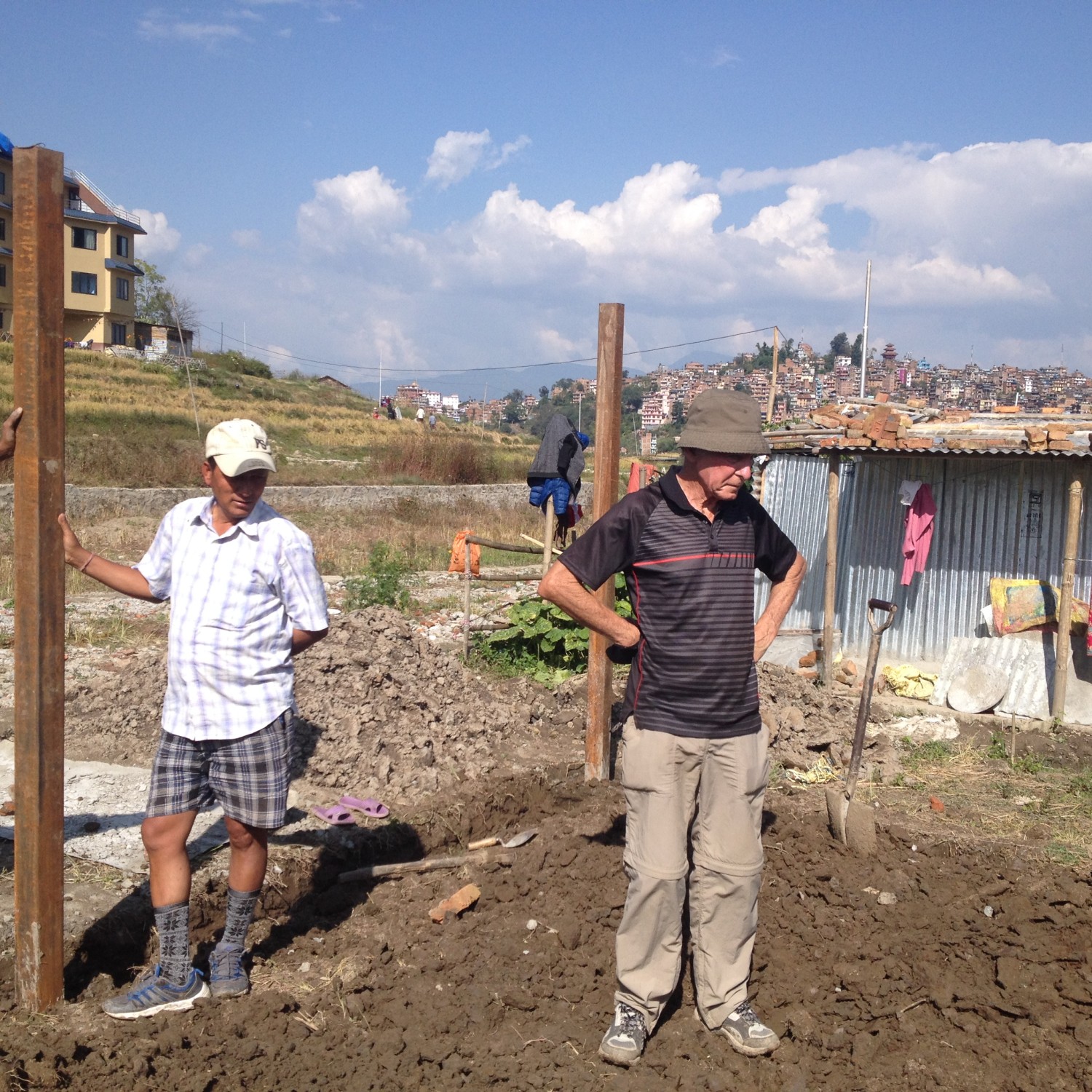
If you are reading this from another country, you may wonder how you can help. You do not need to be a rescue professional to make a difference. Volunteers can support disaster-affected communities through education, psychosocial activities for children, community rebuilding, environmental conservation, public awareness, sustainable development projects, and long-term recovery initiatives. Disaster recovery is not measured in days; it often takes months and years.
The Bhotekoshi tragedy is more than a news headline. It is a reminder that every life is interconnected. Today's disaster in Nepal could be tomorrow's challenge elsewhere. Climate change, environmental degradation, and humanitarian crises do not recognize national borders. Our response should not be limited by them either.
As an organization working closely with local communities, Third Eye Volunteer Foundation Nepal invites compassionate individuals from around the world to stand with Nepal—not only during emergencies but throughout the journey of recovery. Volunteerism is not about saving people. It is about standing beside them until they are strong enough to move forward.
In a world often divided by politics, religion, and geography, compassion remains the most powerful bridge we can build.
When another disaster strikes, may we not ask, "Who will help?" Instead, may each of us ask, "How can I serve?"
Together, we cannot erase every tragedy. But together, we can ensure that no one faces it alone.